
self guided bike tour
Split to Dubrovnik - self guided biking tour, 5 days

6 days / 5 nights


Locations
- Split
- Hvar island
- Korčula island
- Mljet island
- Peljesac peninsula
- Dubrovnik
Description
Experience Croatia’s most iconic coastal and island landscapes on a self-guided cycling journey from Split to Dubrovnik. Pedal through ancient towns, sunny vineyards, pine forests, lavender fields, hidden coves, and UNESCO sites as you move from island to island across the Adriatic.
During this tour you will get to explore several historical cities and islands: Split, islands of Hvar, Korčula, Mljet ( National Park), penisula of pelješac, Ston and Dubrovnik. These cities and islands are centuries old, and even the old Romans and Greeks knew that this part of the world is unique and special. The climate, the landscape, the green colours of lush Mediterranean forests, the blue and turquoise sea and the red roofs of the Dalmatian houses are just a small part of the story that you will get a chance to explore on your journey from Split to Dubrovnik.
ItineraryClick to open
Day 1: arrival in Split
Warm-up ride: 20 km
Overnight: Split
Split is Croatia’s vibrant coastal hub, built around the 1,700-year-old Diocletian’s Palace, a living UNESCO World Heritage Site full of narrow stone streets, cafés, and ancient Roman architecture. The waterfront Riva promenade buzzes with Mediterranean energy, while the nearby Marjan forest Park offers peaceful pine-covered hills overlooking the Adriatic.
Your Ride: If you take the warm-up ride through Marjan Park, you’ll cycle quiet roads lined with cypress and pine, pass stone chapels, and enjoy panoramic viewpoints over Split, the Brač channel, and the islands you will soon explore.
Day 2: Split – island of Hvar
Ferry to Stari Grad
Cycling: 42 km • Elevation: ~600 m
Overnight: Hvar Town
Hvar Island blends history, agriculture, and dramatic nature.
- Stari Grad, one of Europe’s oldest towns (384 BC), still follows the geometric layout of its ancient Greek founders.
- The surrounding Stari Grad Plain (Ager) is a perfectly preserved agricultural landscape of olive groves, vineyards, and tiny stone walls—unchanged for 24 centuries.
- Inland villages like Velo Grablje and Brusje reveal Hvar’s past as a center of lavender production, with terrace fields stretching down the hillsides.
The island’s central ridge offers sweeping views of endless sea, scattered islets, and rugged coastline.
Your Ride
Cycle through the UNESCO plain and picturesque backroads, then gradually climb toward the lavender plateau. The ride finishes with one of Croatia’s most scenic descents—an unforgettable panoramic road dropping into sun-soaked Hvar Town, known for its Venetian architecture, waterfront restaurants, and hilltop fortress.
Day 3: Hvar – island of Korčula
Water taxi to Vela Luka
Cycling: 58 km • Elevation: ~820 m
Overnight: Korčula town or Lumbarda
Korčula is often called the “Little Dubrovnik” for its medieval walled town, but the island offers much more:
- Vela Luka: A quiet harbor surrounded by olive groves and hills.
- Southern Coast bays (Prižba, Brna): A chain of turquoise coves perfect for swimming.
- Wine Villages (Čara & Smokvica): Birthplace of the indigenous Pošip white wine, with endless vineyards carpeting the hillsides.
- Pupnat: One of the island’s oldest settlements, located near a ridge with dramatic views of the Pelješac Peninsula and open sea.
- Korčula town: A beautifully preserved medieval gem with narrow alleys, stone houses, and legends of Marco Polo.
Your Ride
You’ll pedal from the island’s quieter west toward its wine-rich center, passing olive trees, fig orchards, and stone hamlets. The southern coast’s winding road hugs cliffs above crystal-clear waters. The climb to Pupnat rewards you with breathtaking scenery before a smooth ridge ride leads toward Korčula town.
Day 4: a day trip to the island of Mljet, National Park area
Catamaran to Mljet
Cycling: 20–35 km
Overnight: Korčula / Lumbarda
Mljet is Croatia’s greenest island—80% forested and deeply peaceful. The western part is protected as Mljet national park, home to:
- Two saltwater lakes (Veliko & Malo Jezero) with emerald water
- A serene forest road network
- Swimming spots with exceptionally clear water
- A tiny 12th-century Benedictine monastery on an islet in the large lake
- Traditional stone villages and quiet coves
Mljet is the perfect contrast to the busier islands: silent, shaded, and full of nature.
Your Ride
Choose between a relaxing loop around the lakes or a more challenging ascent into Mljet’s interior. Either way, the cycling is tranquil, scenic, and ideal for nature lovers. Return to Korčula in the afternoon.
Day 5: Island of Korčula - peninsula of Peljesac - town of Ston
Ferry to Orebić
Cycling: 50 km • Elevation: ~550 m
Overnight: Ston
Pelješac is renowned for its steep vineyards, crystal-clear bays, and traditional stone villages. The peninsula is Croatia’s most important wine region, known for Plavac Mali, the ancestor of California’s Zinfandel.
- Orebić: A town of sea captains, with beautiful pebble beaches and old captain’s villas.
- Dingač & Postup Region: Terraced vineyards clinging to steep hillsides above the sea.
- Coastal Road: Quiet stretches perfect for swimming in secluded coves.
- Ston: A medieval town famous for Europe’s largest stone walls (5.5 km) and centuries-old salt pans.
The landscape feels wild and unspoiled—mountains, vineyards, and the Adriatic stretching out endlessly.
Your Ride
Cycle seaside roads lined with grapevines, pass quiet hamlets, and enjoy panoramic Adriatic views. The final kilometers lead into Ston, where you can taste local oysters, walk the ancient walls, or explore the historic saltworks.
Day 6: Ston - Dubrovnik, end of the tour
After berakfast and check out, yiou have organised departure transfer from accommodation in Ston to city of Dubrovnik ore leswhere in Dubrovnik area, like Dubrovnik port, Dubrovnik bus station or airport of Dubrovnik, all depending of your following plans after the self guided biking tour.
Few cities impress like Dubrovnik with its Old City, a UNESCO World Heritage jewel known as the “Pearl of the Adriatic.” Its marble streets, baroque churches, and massive stone walls rise dramatically above the sea.
Within the walls lie cafés, artisan shops, monasteries, and palaces. Outside the Old City, the coastline offers hidden coves, viewpoints, and the lush Lokrum Island, just a short boat ride away.
,
Share this:
You might be interested
Slow food Croatia - Guided foodie tour - 9 days
Slow food Croatia is a unique tour in Croatia that includes food and wine experiences, historical and cultural tours and a few hiking adventures. This tour takes us to different historical locations along the Dalmatian coast, from ancient Split and the historical town of Trogir, which is included…
See more +
Adriatic islands hopping - Self guided - 8 days
This self-guided walking tour is a combination of walking and cultural sightseeing, a tour includes Dubrovnik, a UNESCO World Heritage site, the island of Lopud, the island of Korcula and beautiful bays of Lumbarda, the island of Mljet a national park with its saltwater lakes and the ruins of the…
See more +
Croatian coast bike tour - Self guided - 5 days
Explore southern Croatia’s stunning coastline and countryside on this self-guided bike tour. Ride through the picturesque island of Korčula, with its rolling vineyards, hidden bays, and medieval charm. Discover the rugged beauty of the Pelješac Peninsula, famous for its terraced vineyards,…
See more +
Biking Croatia coast - Self guided - 7 days
Our best-selling bike tour takes you on 7 days journey along the Croatian coast where you discover the southern coast of Croatia with the beautiful historical towns and magnifical islands. Tour duration is 6 days and it is 4 destination-based tour: 2 days in picturesque Konavle countryside,…
See more +
Bike to farm
Bike to Farm is an eight-day cycling tour through southern Croatia, combining outdoor activity with authentic culinary experiences. Starting in Konavle, we cycle through fields, vineyards, and coastal villages, tasting local wines and liqueurs, and taking part in cooking with our hosts. In the Neretva…
See more +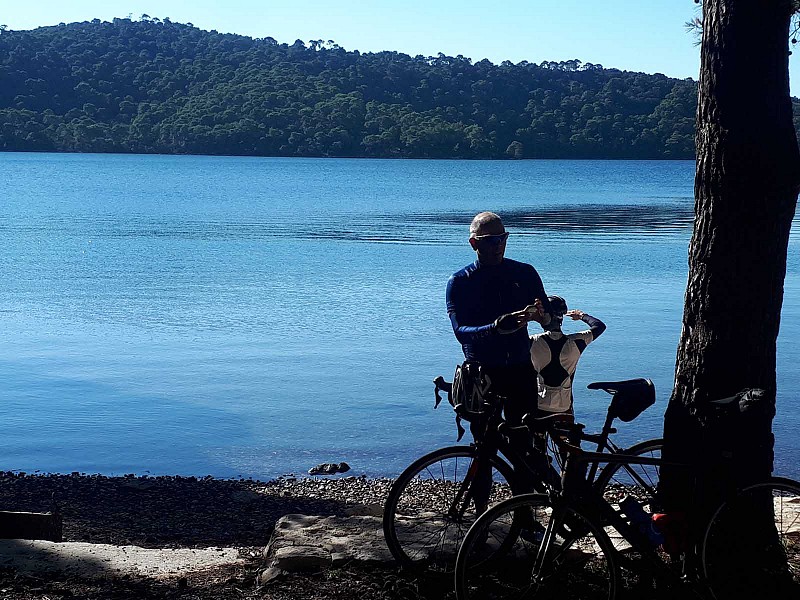
Croatian coast cycling journey
Embark on a self-guided cycling adventure along Croatia’s stunning southern coast. Starting in the historic city of Split, this tour offers the perfect blend of island hopping and scenic cycling. You’ll explore the breathtaking islands of Hvar, Korčula, and the Pelješac peninsula,…
See more +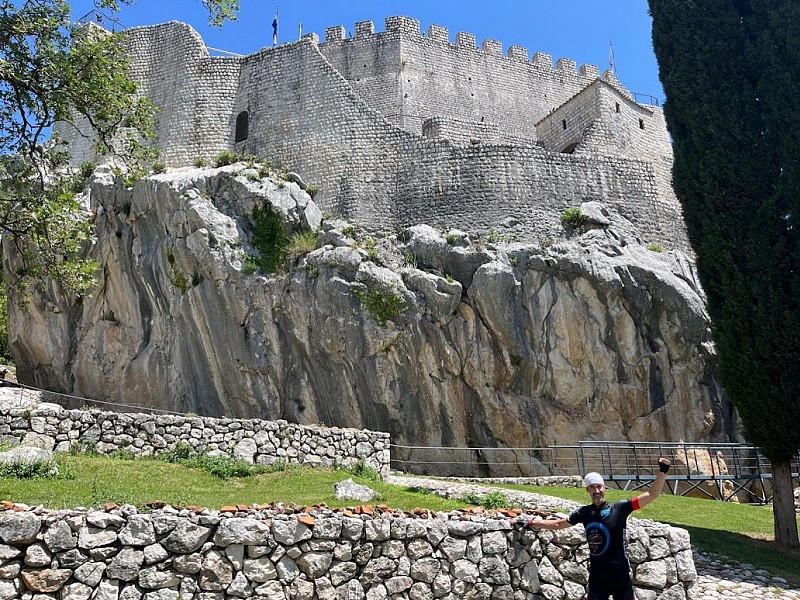
Explore the Balkans - Guided multi sport tour - 8 days
Explore the natural, cultural and historical attractions of the 3 neighbouring countries through multisport activities: hiking in the mountains of the Dubrovnik countryside, biking along the picturesque bays of Montenegro and the former railroad route through Bosnia, paddling down the green…
See more +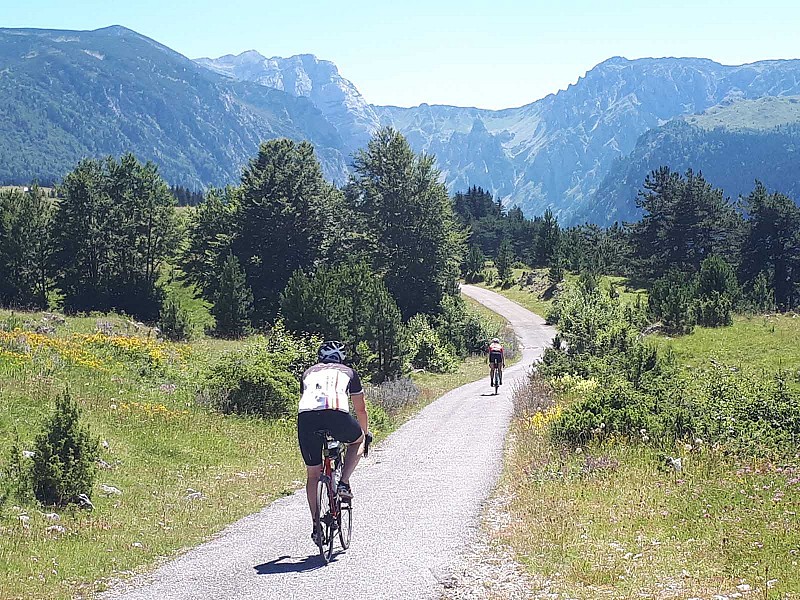
Cycling west Balkan triangle - Self guided - 8 days
The West Balkan Triangle cycling tour is designed for small groups of cyclists and independent travelers seeking a unique adventure. This tour takes you through three incredible countries—Croatia, Bosnia & Herzegovina, and Montenegro - offering diverse rides that explore the rich landscapes,…
See more +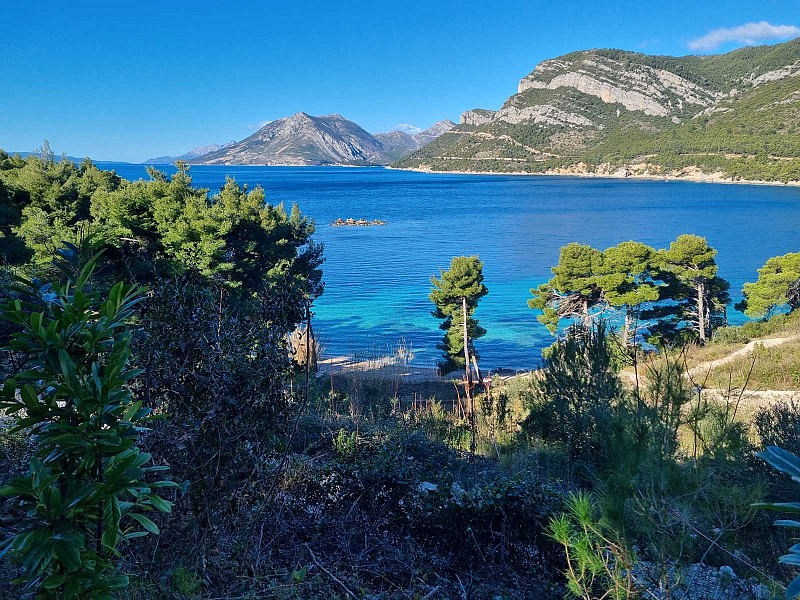
Adriatic Hiking Adventure - self guided walking tour
This tour includes the island of Korcula (birth place of famous merchant, explorer and adventurer Marco Polo), the island of Mljet with its sea lakes and National park, the stunning island of Hvar with lavender fields and beautiful coast and the historical town of Dubrovnik.
See more +
Cycling west Balkan triangle - Guided tour - 8 days
The cycling tour of the western Balkan triangle is a tour designed for small groups of cyclists and it is a guided SAG tour (it includes car and gear support). This tour takes place in 3 different countries: Croatia, Bosnia and Herzegovina, and Montenegro. Start & end in Dubrovnik…
See more +